LTER
Counting blooms and bees
By Paige Boyle and Lindsey Kemmerling, Minneapolis-St. Paul Long Term Ecological Research Program, University of Minnesota
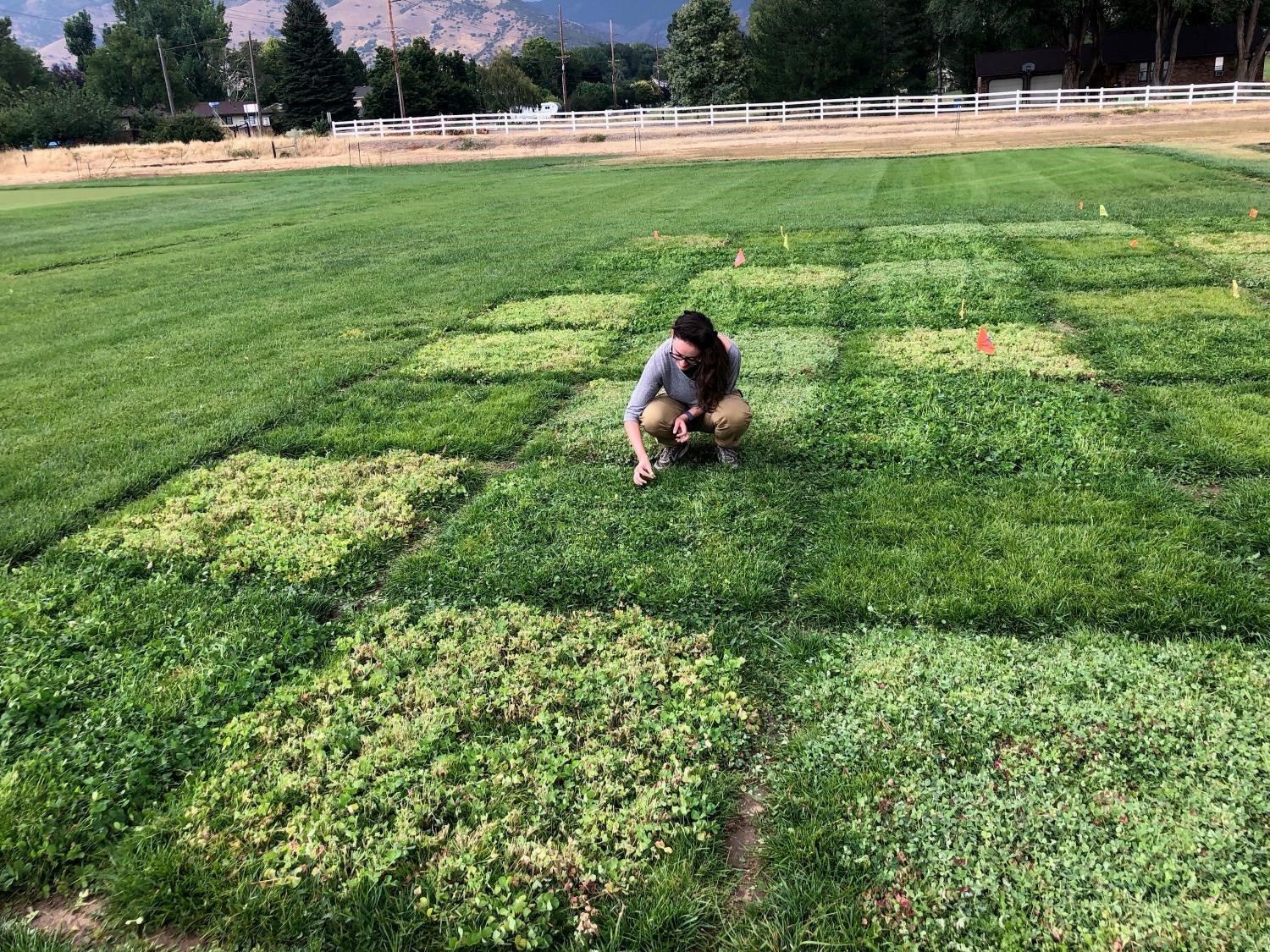
For six years now, our team has been working to assess the ecological and social benefit of urban lawns through our work with the Minneapolis - St. Paul Metropolitan Area (MSP) Long Term Ecological Research program. An overarching goal of this research is to determine if bee lawns actually support bees.
University of Minnesota Turfgrass team in the media - 10/27/25
Check out our team’s latest efforts in educating the public about our work! Read the October issue of MGCSA's Hole Notes for a research update, From Lawns to Links, by Paige Boyle.
University of Minnesota Turfgrass team in the media - 5/30/25
Check out our team’s latest efforts in educating the public about our work! Watch the Cornell Turf Show webinar Long-term lawns featuring postdoctoral associate Paige Boyle, or listen to the audio-only podcast to learn more about creating more ecologically-focused lawns.
2024 Bee Lawn Update
By Paige Boyle
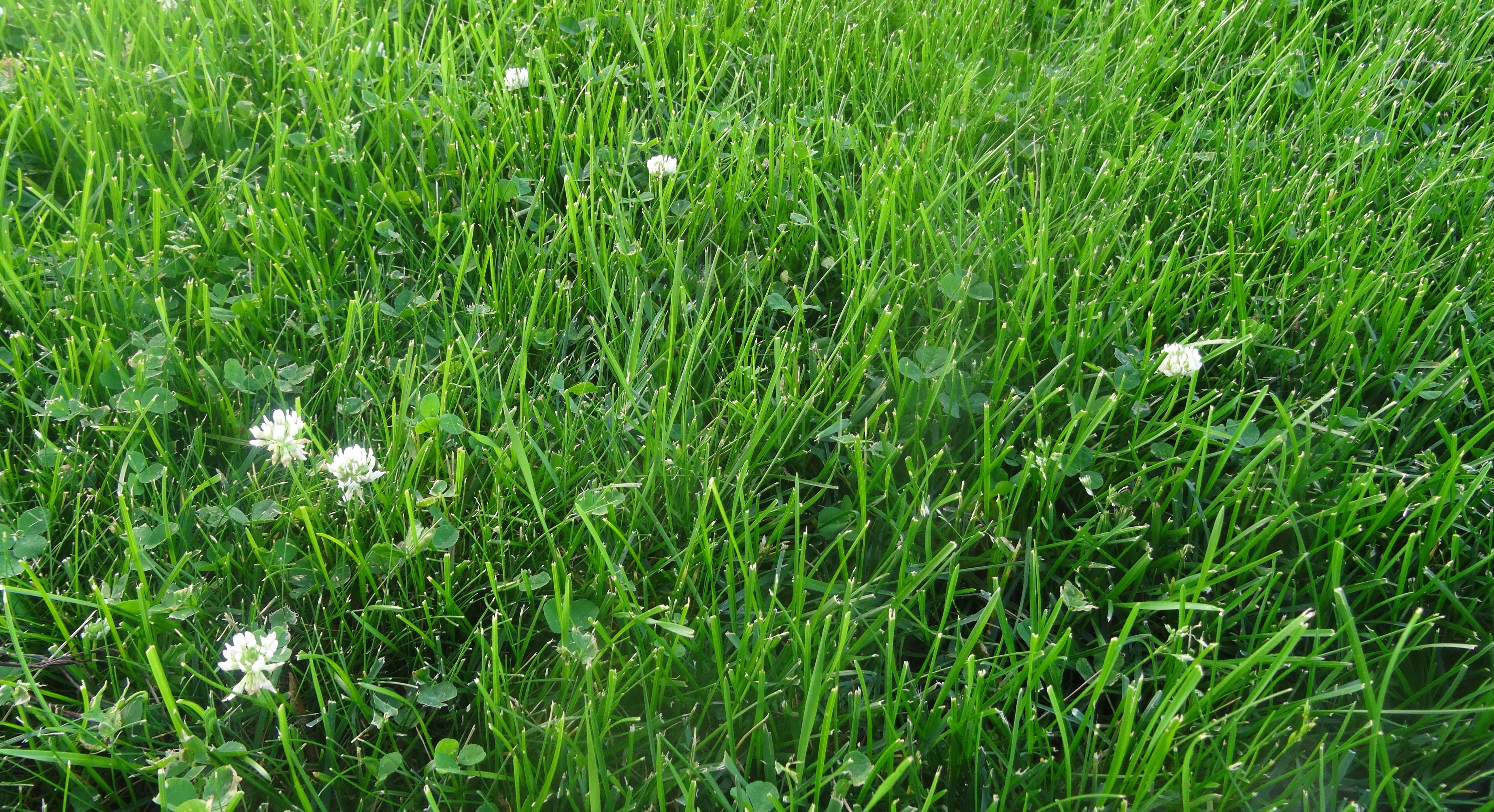
This past summer, I completed my first season of MSP LTER Pollinator Habitat data collection. I spent 3 weeks in the Twin Cities with my undergraduate helper from the University of St. Thomas, Eli, identifying plants in home lawns throughout the metro (Figure 1), getting rained on, and talking to homeowners about their yards.