As a social scientist I often get asked about how I exactly ‘do’ my research, how do I collect data, what types of data, how it gets analyzed, and if it’s valid. The answers to all of these questions largely depend on the research question being asked but there is one thing that is common across the vast majority of my projects which is the use of mixed methods. Rest assured, this isn't a dense methodology piece on sampling or statistical validation. It's simply an inside look at the practical 'how' and 'why' behind applying mixed methods to turfgrass research.
So what does 'mixed methods' actually mean? Think of it as answering a single question by approaching it from two completely different directions. There are three main reasons I use such an approach in my work. The first reason is practical: validity. Introducing Method B cross-checks Method A, confirming your findings hold up. The second is richness. Think of it like a two-person play where only one character speaks, you might follow along, but you miss the critical second perspective that completes the picture.
What methods do I usually pair together? Typically, I combine a hard quantitative tool like a survey with a qualitative one like an interview or focus group. This combo unlocks three critical dimensions: what, how, and, my personal favorite, why. While surveys pinpoint what is happening, interviews reveal how it's happening. Blending the two gets you to the why, which usually lives right at the intersection of real-world metrics and human attitudes, values, or beliefs. What’s quite interesting about this approach is that the order can change depending on the research question. Sometimes you’re exploring a brand new area, and you might want a baseline of information to work from to ask some more pointed questions, so you might start with a broad survey to figure out where concerns are or points of interest to then derive more specific interview questions from those results. You can also work in the opposite direction, starting with more in-depth narrative type approaches, and then seeing how they might apply or resonate with a broader population of folks.
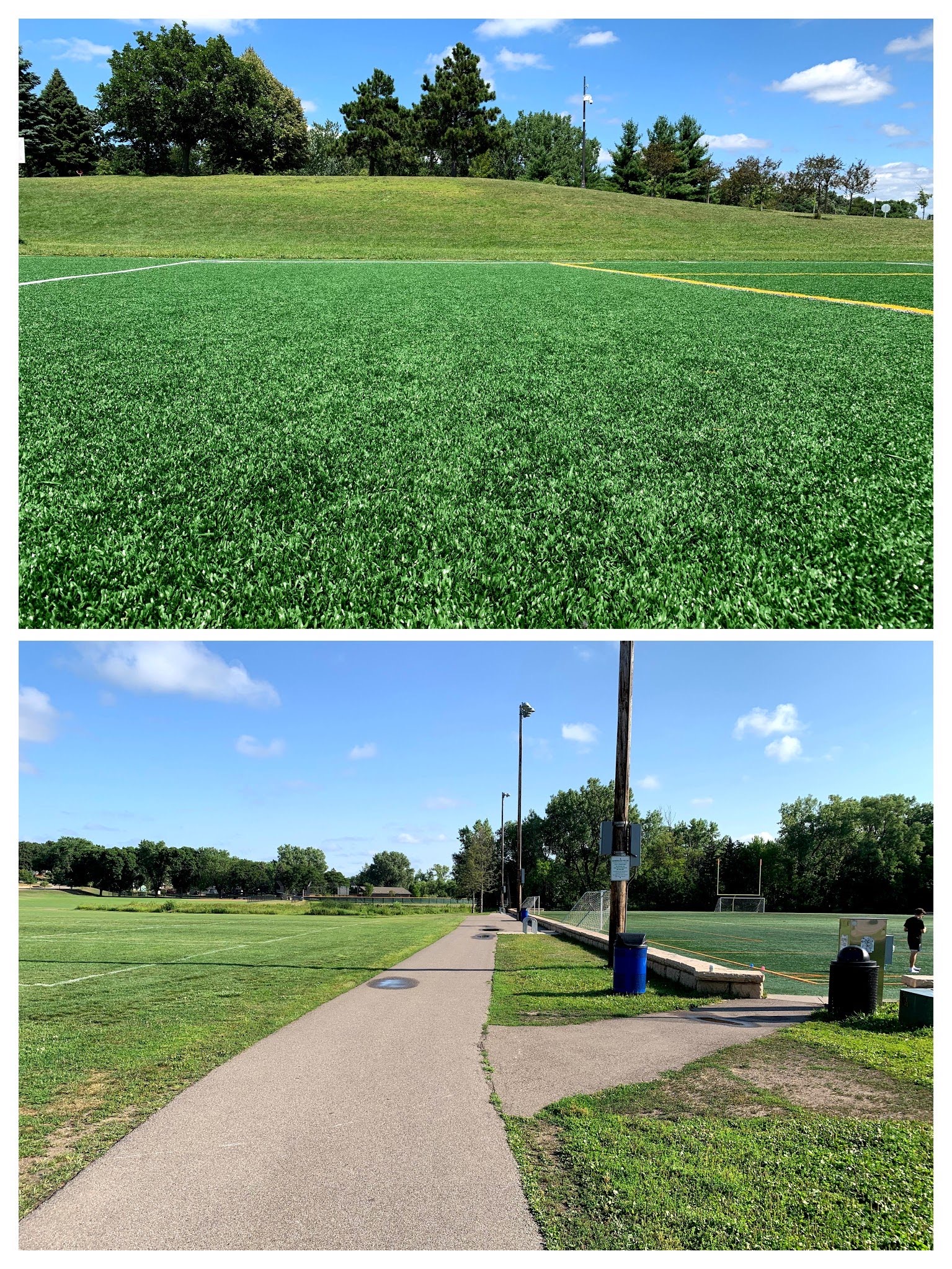
What does this look like in practice? Well, the simplest example is from a study I did in 2021 related to understanding differences in how people perceived and experienced artificial turf and natural turfgrass. In a unique approach, a survey was combined with an on-site in person experience of the two survey types, allowing participants to explain more about their ratings of preferring one type of surface to another. We were able to explain differences in peoples’ views on aspects of each surface type such as heat, texture, surface consistency, etc. The combination of numerical ratings and then narrative explanations of these preferences helped us answer the ‘why’ more accurately and precisely and in a way that reflected real people's lived experiences with both surface types. If you want to learn more, you can take a look in more about our study titled: “Nothing Beats Nature”: Park Visitor Preferences for Natural Turfgrass and Artificial Turf.
Bringing mixed methods to turfgrass research ensures we don't just gather data, we uncover real, human insights. By balancing hard metrics with qualitative depth, we can build better, more informed solutions for real-world spaces.